
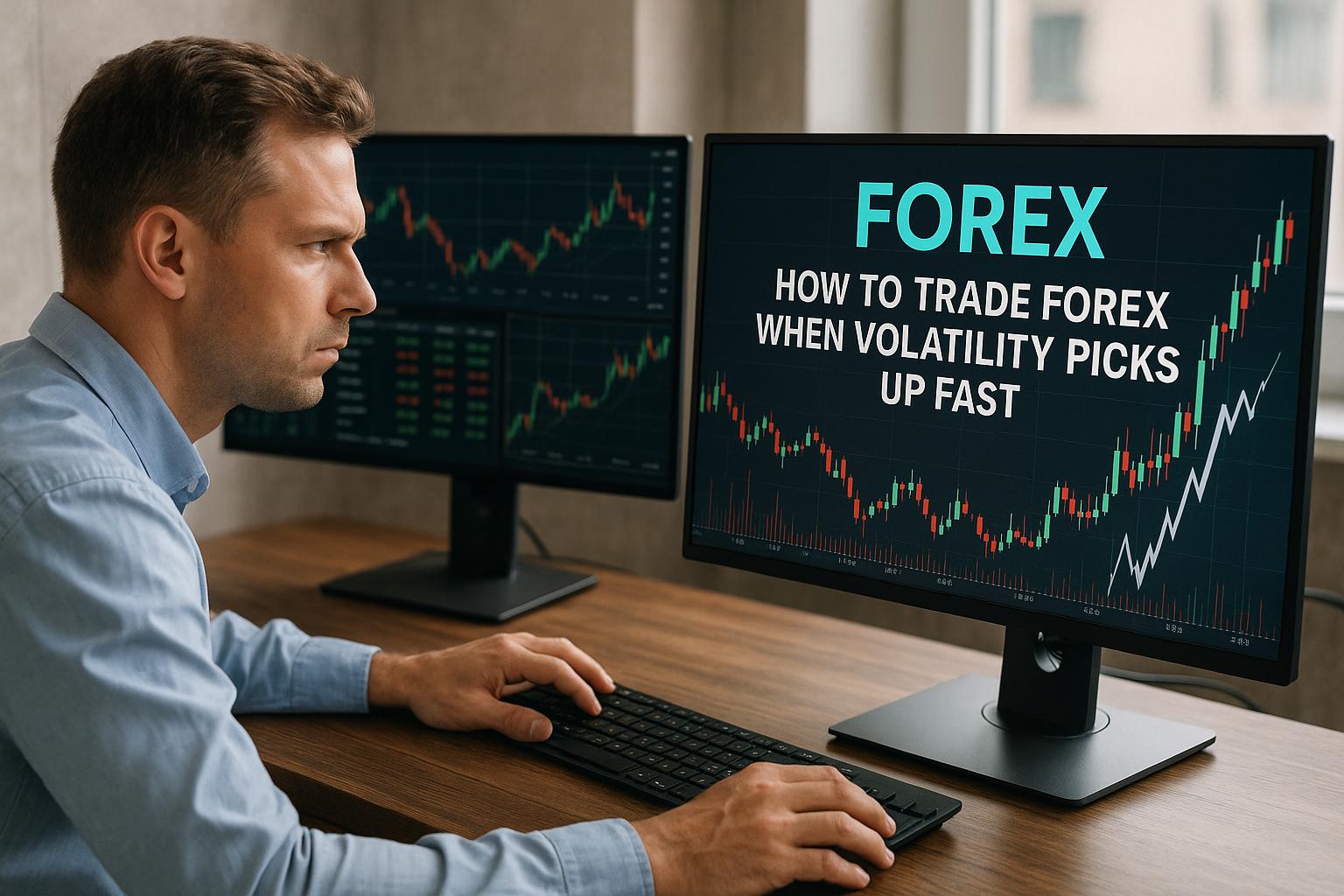
Understanding Forex Volatility
Volatility in the forex market refers to the degree of variation in currency prices over a specified period. Forex volatility can be a double-edged sword for traders, offering both potential opportunities and risks. When volatility picks up quickly, it often results from economic data releases, geopolitical events, or unexpected news that rattles the markets. A clear comprehension of volatility not only enables traders to harness potential profit opportunities but also to manage risk effectively.
Adapting Your Trading Strategy
To successfully navigate the volatile waters of the forex market, adapting your trading strategy is essential. This involves a keen awareness of the factors driving volatility and tailoring your approach to suit these conditions.
Reassess Risk Management: Increased volatility necessitates a thorough reevaluation of your risk management tactics. With heightened market movement, the reassessment of your stop-loss levels is crucial. Wider price swings may require larger stop-loss buffers; however, it is important to avoid exposing your portfolio to undue risk in the quest for potential profits.
Consider Position Size: The size of your positions can have a significant impact on your ability to weather volatile market conditions. By reducing position sizes, traders can mitigate potential losses during periods of high volatility. Smaller positions can offer a buffer against unexpected price movements, protecting your account balance from severe hits.
Avoid Over-leveraging: While leveraging can magnify returns, it simultaneously increases risk, making over-leveraging a dangerous practice, especially in volatile markets. Traders should use leverage judiciously, ensuring their trading accounts can handle sudden fluctuations.
Monitoring Economic Indicators
Economic indicators are among the primary triggers of substantial shifts in currency prices. Traders must stay informed with economic calendars to be aware of impending data releases such as GDP growth rates, employment statistics, or announcements from central banks. By monitoring these events, traders can anticipate potential volatility spikes and strategically plan their trades.
Using Technical Tools
Technical analysis and the application of technical tools can be indispensable during volatile market conditions. They offer traders the means to analyze price movements and identify trends amidst the noise of rapid price changes.
Moving Averages: These are widely used to simplify price data and identify trends or potential reversals. Moving averages provide traders with a smoother visualization of market trends, making it easier to discern the overall direction amidst volatile conditions.
Volatility Indicators: Tools like the Average True Range (ATR) and Bollinger Bands are used to assess current volatility levels. These indicators can help traders not only identify the extent of price movement but also adjust their strategies to better align with the prevailing market conditions.
Keeping Emotions in Check
Trading in volatile environments can be mentally challenging, leading to impulsive decisions driven by emotions like fear or greed. Maintaining discipline is crucial to avoid such pitfalls.
Follow Your Plan: Having a robust trading plan is crucial, and adhering to it is even more important when markets are unpredictable. A well-defined plan can act as an anchor, helping traders stick to their strategies and avoid the trap of emotional trading.
Take Breaks: Volatile markets can be overwhelming, and stepping back from the screen can offer a necessary mental break. This pause allows for reflection and prevents hurried decisions that might be driven by stress. It’s important to remember that there will always be another trading opportunity in the future.
In conclusion, understanding and adapting to forex volatility is key to navigating these tumultuous periods effectively. Traders must continue honing their skills and knowledge, drawing insights from credible financial resources. It’s vital to trade responsibly while appreciating the dynamic nature of the forex market, which continuously offers both challenges and opportunities.
This article was last updated on: October 23, 2026