
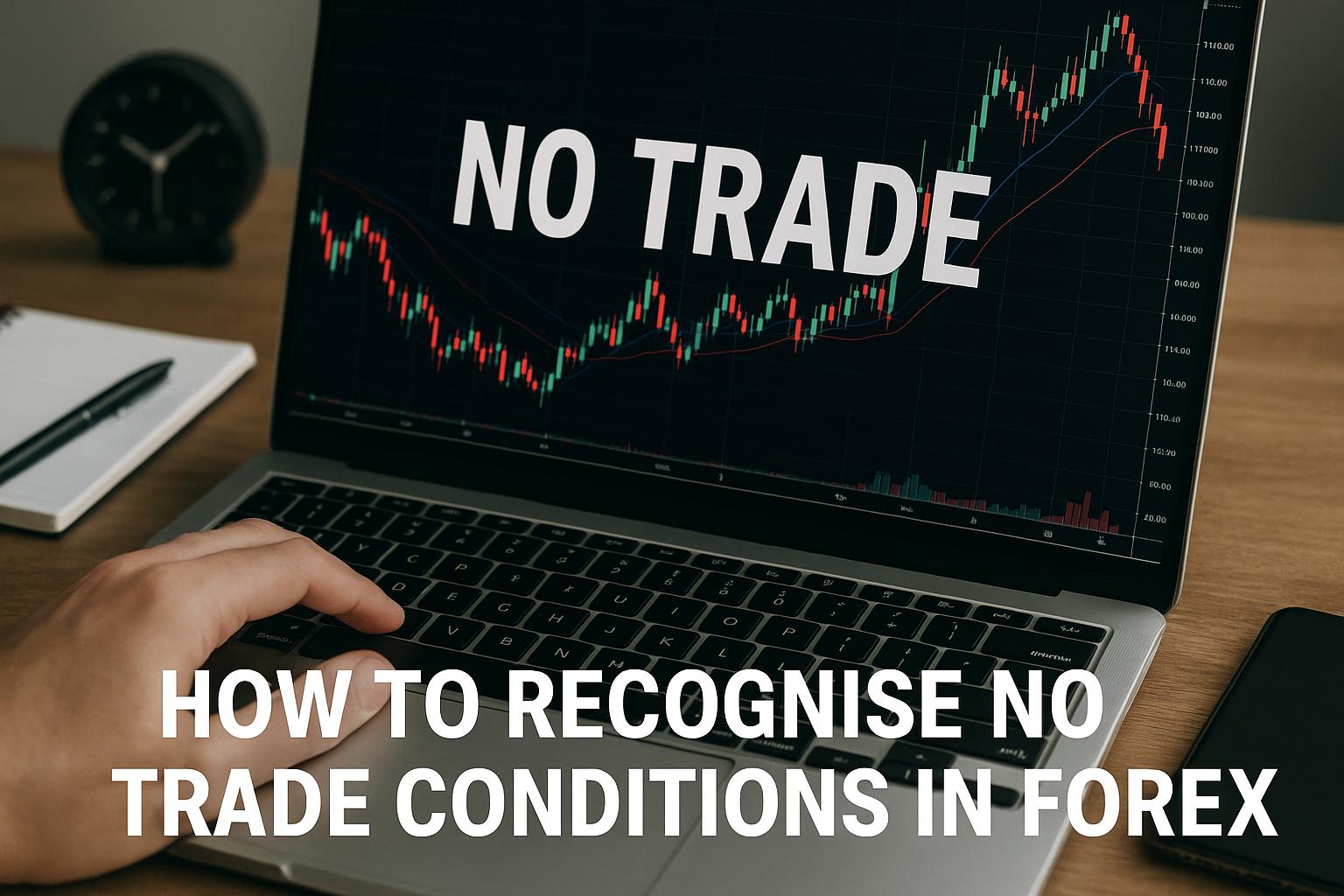
Understanding No Trade Conditions in Forex
Identifying no trade conditions in the foreign exchange (forex) market is crucial for both novice and experienced traders. Recognizing when to abstain from trading can help save significant capital and prevent potential losses. There are a variety of indicators and market environments that suggest sitting on the sidelines is a wise choice. Understanding these factors can enhance trading success and ensure disciplined market participation.
Market Volatility and Uncertainty
The forex market is inherently volatile, characterized by its frequent and sometimes sharp fluctuations. However, during periods of extreme volatility, trading becomes especially risky. Such conditions are often precipitated by events that are unpredictable or unforeseen, such as geopolitical tensions, abrupt policy changes, or unforeseen natural disasters. These can trigger erratic price movements that defy standard trading logic and prediction models.
Economic News Releases
Some of the most significant influencers of market volatility are major economic news releases. Notably, announcements like interest rate decisions and employment reports have a pronounced impact on currency valuations. During these times, prices can exhibit sharp movements in response to unfolding news: a phenomenon known as “price whipsawing.” Trading right before or immediately after these releases can be perilous, leading many seasoned traders to opt for inactivity until the market stabilizes and the news is fully absorbed.
Technical Analysis Signals
Technical analysis is a widely used method to analyze market trends and potential movements based on historical price patterns and technical indicators. However, there are times when technical indicators provide mixed or conflicting signals, making market directions ambiguous.
Range-Bound Markets
A common no trade condition surfaces in range-bound markets. Such markets are characterized by currency pairs trading within a clearly defined range without establishing a prolonged upward or downward trend. This scenario often signals an absence of a definitive market direction and may suggest low liquidity and limited profit opportunities. In such cases, traders might prefer to wait for a breakout from these ranges before entering the market.
Understanding Your Trading Plan
A disciplined approach to forex trading demands adherence to a well-crafted trading plan. Your trading plan should outline the conditions under which you will enter or exit trades, as well as any potential no trade conditions. If current market dynamics do not align with your trading strategy, it is crucial to recognize these as legitimate no trade conditions. For instance, if your strategy is heavily reliant on trend following, and the market is currently in a state of consolidation, abstaining from trading is often the prudent decision.
Risk Management Principles
Effective risk management is an essential element of any successful trading strategy. Particularly in volatile or uncertain market conditions, the potential for risk can often exceed the parameters you are willing to tolerate. During such times, preserving your capital should always be prioritized over the pursuit of uncertain opportunities. For traders, the notion of minimizing potential loss is just as valuable, if not more so, than securing potential gains. Evaluating risk against reward is an ongoing process and a crucial component of a sound trading ethos.
Psychological and Emotional Factors
Emotions can significantly impact trading outcomes by clouding judgment and leading to hasty or poorly-considered decisions. Emotions such as overconfidence, fear, or greed can distort rational assessment and drive impulsive trading behavior. When you detect an emotional imbalance affecting your decisions, it signals a critical time to step back from trading activities. Maintaining a clear, objective mindset is indispensable for achieving success in forex trading, acting as a guard against emotionally-driven mistakes.
Resources for Further Learning
Continuous improvement is vital in trading, especially in mastering the identification of no trade conditions. Traders can access a wealth of resources to enhance their understanding. Educational platforms like BabyPips and various trading forums serve as rich repositories of market analysis, trading strategies, and community insights. These platforms encourage interaction and learning, offering an opportunity to gain deeper insights into optimal trading practices, including recognizing when abstaining from trading best aligns with market conditions.
Recognizing no trade conditions is a vital skill in forex trading. It requires an approach underscored by thorough analysis and discipline. Adopting periods of inactivity as part of your strategy should not be perceived as a weakness but rather as a testament to your commitment to prudent trading practices. Developing the ability to disengage from potential trades in scenarios where conditions do not favor your strategy is an indication of trading maturity and resilience, reflecting a sophisticated understanding of market dynamics.
In summary, to achieve long-term success in forex trading, traders need to be aware of the myriad of conditions that suggest it is wise to withhold from trading. Such an approach involves remaining vigilant to signals of extreme volatility, paying heed to technical indicators, respecting the guidelines of a trading plan, managing risks astutely, and maintaining emotional equanimity. As such, a cautious trading stance, replete with well-informed decisions about when not to engage in the market, will invariably contribute to a more robust and sustainable trading strategy.
This article was last updated on: October 9, 2026