
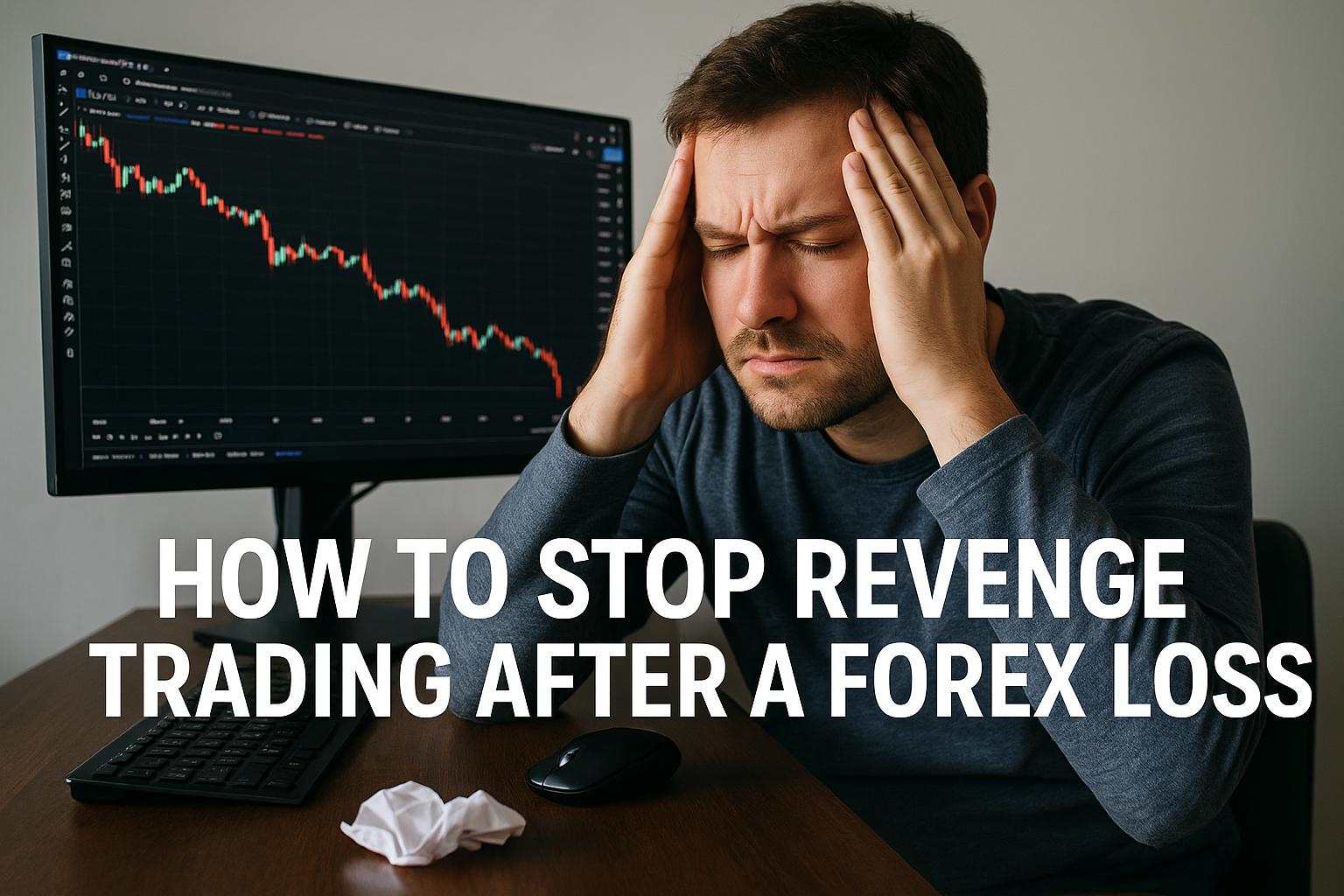
Understanding Revenge Trading
Revenge trading in the forex market is a common pitfall that many traders fall into after experiencing a loss. It involves making impulsive trades with the sole aim of recovering from a loss swiftly. This emotional response can often lead to further losses, exacerbating the problem.
Recognize the Signs of Revenge Trading
Awareness is the first step in addressing revenge trading. Common signs include an increased frequency of trades, larger position sizes than usual, and a deviation from your trading strategy. Recognizing these signs early can help prevent further emotional decisions.
When traders deviate from their carefully crafted strategies due to the urgency or frustration of losses, it signifies that they might be indulging in revenge trading. Another indicator is the escalation in trading volume or frequency without adequate market analysis backing the decisions. Such behavior often stems from the belief that having more exposure to the market will yield faster recovery of the incurred losses.
The Psychological Impact of a Forex Loss
A forex loss can significantly impact your trading mindset. It can trigger stress, anxiety, and the need to recoup losses quickly. When these emotions dominate, objective decision-making is compromised, leading to revenge trading. Understanding the psychological aspect of trading can help in mitigating these risks.
Traders often experience a gamut of emotions post a significant loss. The immediate emotional response usually includes feelings of frustration and a compelling urge to undo the damage. These feelings initiate a cycle of poor judgment and actions not grounded in logical trading strategies. Moreover, the fear of missing out (FOMO) may intensify, encouraging traders to enter unfavorable trades in an attempt to recover losses, culminating in the vicious cycle of revenge trading.
Developing and Adhering to a Trading Plan
A well-structured trading plan acts as a roadmap for your trading activities. It encompasses your goals, risk management strategies, and preferred trading methods. Adhering to this plan is crucial in avoiding revenge trading. It provides a structured approach, reducing the likelihood of making impulsive decisions.
Implementing a trading plan demands discipline and commitment. Traders often outline their entire market approach, including entry and exit points, stop-loss levels, and defined risk tolerance. This structured plan is crucial to maintaining focus and consistency in the trading landscape. Any deviations from this plan can be a lucrative opportunity lost and often leads to further financial downward spirals.
Effective Risk Management Techniques
Incorporating robust risk management techniques is essential in navigating the forex market. These techniques include setting stop-loss orders, diversifying your portfolio, and only risking a small percentage of your capital per trade. Implementing these strategies can help protect your investments from significant losses.
Risk management extends beyond mere financial equations; it involves psychological fortitude to adhere strictly to predetermined risk parameters. Stop-loss orders, for instance, serve as a pivotal tool to shield traders from excessive losses during volatile market movements. Additionally, diversifying investments minimizes exposure to the high-risk concentrations, thereby balancing potential losses across different trading instruments.
The Importance of Emotional Control
Maintaining emotional control in trading can be challenging yet vital. Developing techniques such as mindfulness or meditation can help in managing emotions. By staying calm and composed, traders can make more rational decisions, reducing the chances of revenge trading.
Methods including relaxation exercises, mindfulness, and even physical activity can significantly improve traders’ mental robustness. When traders cultivate calm and composure, it allows for decisions based on market analysis rather than impulsivity. The positive ramifications of this practice not only dampen the consequences of revenge trading but also improve overall trading efficacy and satisfaction.
Learning from Losses
Instead of succumbing to revenge trading, use losses as a learning opportunity. Analyze the trade to identify what went wrong and how similar mistakes can be avoided in the future. This reflective practice can lead to improved strategies and trading outcomes.
A methodical review of trading actions can display nuanced insights into trading errors and missed signals. Such analysis enables traders to constructively adjust their strategies for improved future performance. When traders view losses not as failures, but as opportunities to sharpen their market approach, it fosters an environment of continual growth and adjustment.
Seeking Professional Help if Needed
If revenge trading becomes a recurring issue, it may be beneficial to seek professional support. Trading coaches and financial psychologists can provide tailored advice and strategies to help manage trading psychology and emotions. They can offer guidance on creating sustainable and emotionally resilient trading habits.
Professionals can aid in identifying psychological patterns and developing coping mechanisms tailored to individual needs. They often utilize cognitive-behavioral techniques to alter trading behaviors, augmenting both emotional resilience and market success. The guidance from experts furnishes traders not only with psychological insights but also best-practice protocols for sustainable trading habits.
For further reading on managing trading psychology, visit this trading resource on effective strategies.
This article was last updated on: September 4, 2026