
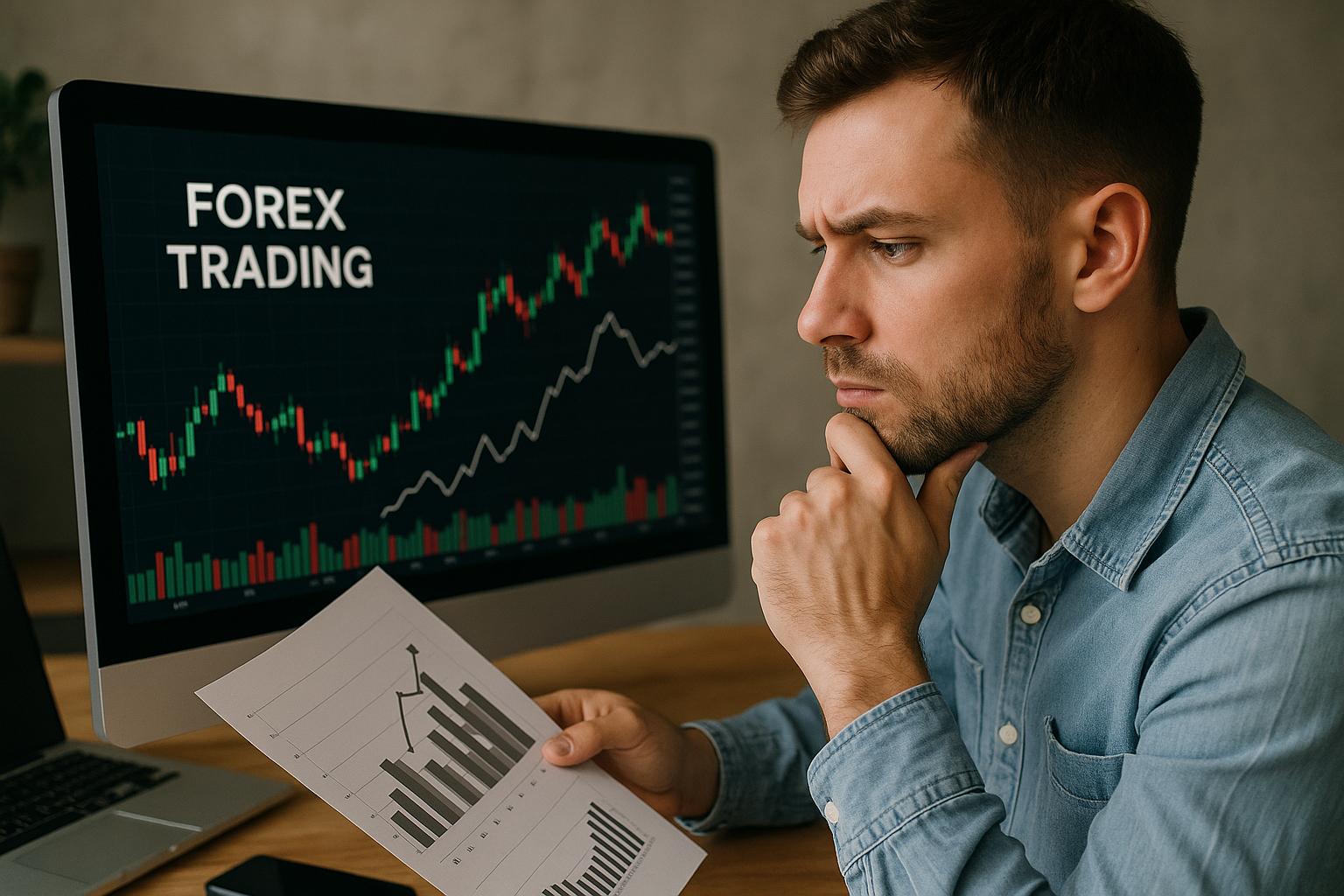
Recognizing the Need for Forex Method Adjustments
In the dynamic world of foreign exchange trading, methods and strategies can become obsolete rather quickly. It’s crucial for traders to remain vigilant and recognize when their forex approach needs fine-tuning to align with the ever-changing market conditions. Below, we discuss several indicators that suggest a need for adjustment in your trading method.
Consistent Losses
A critical sign that your forex method might require adjustment is the presence of consistent losses, especially if these losses exceed your predefined risk tolerance levels. While fluctuations are typical in any trading strategy, a continued trend of negative results should prompt a reassessment. Examine your approach meticulously to identify potential weaknesses. It’s vital to address these issues promptly to minimize further damage to your trading portfolio. Analyzing whether the losses are due to a specific currency pair or a broader market condition can help you narrow down the influence causing the issue.
Changing Market Conditions
Forex markets are highly sensitive to global economic shifts, political events, and unexpected news. If your method was designed for a specific market condition and those conditions have changed, your strategy may no longer be as effective. Stay informed about economic indicators and geopolitical developments that could impact the currency pairs you trade. Understanding how economic data, interest rate decisions, and other macroeconomic elements influence the forex market is critical. As markets evolve, so should your strategy. Pay attention to trends over time and adjust your methods accordingly.
Divergence from Expected Performance
It’s essential to benchmark your strategy against expected results. If your method significantly diverges from expectations, consider it a warning signal. Regularly compare your strategy’s actual performance with its historical data and theoretical projections. Should persistent gaps arise, it may be time to make adjustments. Such divergences can occur due to several factors, including changes in market volatility, shifts in liquidity, or even temporary psychological biases. Identifying the root cause is key to determining how to best align the strategy with market realities.
Feedback from Trading Platforms
Utilize the analytical tools and feedback provided by trading platforms to monitor your strategy’s performance. Many platforms offer detailed reports and analytics on trading patterns, average gains/losses, and other critical metrics. By regularly reviewing these insights, you can detect any patterns that indicate a need for modification. Often, these platform-provided analytics can highlight issues that may not be readily apparent through simple observation. Using these resources effectively requires a good understanding of how to interpret the data and infer actionable insights.
Adapting Your Forex Method
Recognizing the need for adjustment is just the first step. Here’s how you can effectively adapt your forex strategy:
Review and Backtest
Start by reviewing your entire trading process to pinpoint problematic areas. Backtesting your strategy with historical data is a great way to see how it would perform under different conditions. This experimentation stage is crucial for developing a revised approach. Testing the revised strategy in a simulated environment allows you to refine it without incurring real losses. This process involves adjusting variables and conditions to understand their impact, further enhancing the robustness of your method.
Incorporate Additional Tools
Consider integrating new tools or indicators into your strategy. These could include advanced charting software, sentiment analysis tools, or even automated trading solutions. Expanding your toolkit can provide fresh insights and potentially enhance your strategy’s robustness. Choosing the right tools requires a good understanding of your strategy and the specific gaps identified during the review phase. For example, automated trading can help eliminate emotional biases, while advanced charting tools can offer deeper insights into market trends.
Seek Expert Advice
Sometimes, an external perspective can provide invaluable insights. Engage with professional traders or join forex communities where you can exchange ideas and gain different viewpoints. Websites and forums dedicated to forex trading can offer extensive resources and discussions that might help in refining your strategy. For instance, Investopedia is a resourceful platform for traders at all levels. Engaging with seasoned professionals can offer you tailored advice and help you avoid common pitfalls, ultimately strengthening your approach.
Stay Educated
Continuous learning is vital in forex trading. Keeping up with new trading techniques, tools, and educational resources can significantly improve your trading acumen. Participate in webinars, attend workshops, and read up-to-date articles to ensure your strategies remain relevant. The forex market is continuously evolving, and what works today might not work tomorrow. Pursuing ongoing education provides you with the knowledge to adapt and refine your strategies appropriately, preventing them from becoming outdated.
By being proactive and responsive to these indicators, traders can effectively adjust their forex methods, ensuring ongoing relevance and success in the volatile currency markets. Remember, flexibility and adaptability are key strengths in the world of forex trading. Developing a method that incorporates feedback loops and iterative improvements can help you stay competitive and resilient amidst the volatile shifts in the forex landscape. As the market evolves, so too must your strategies, ensuring they align with both current and anticipated future conditions.
This article was last updated on: August 14, 2026