
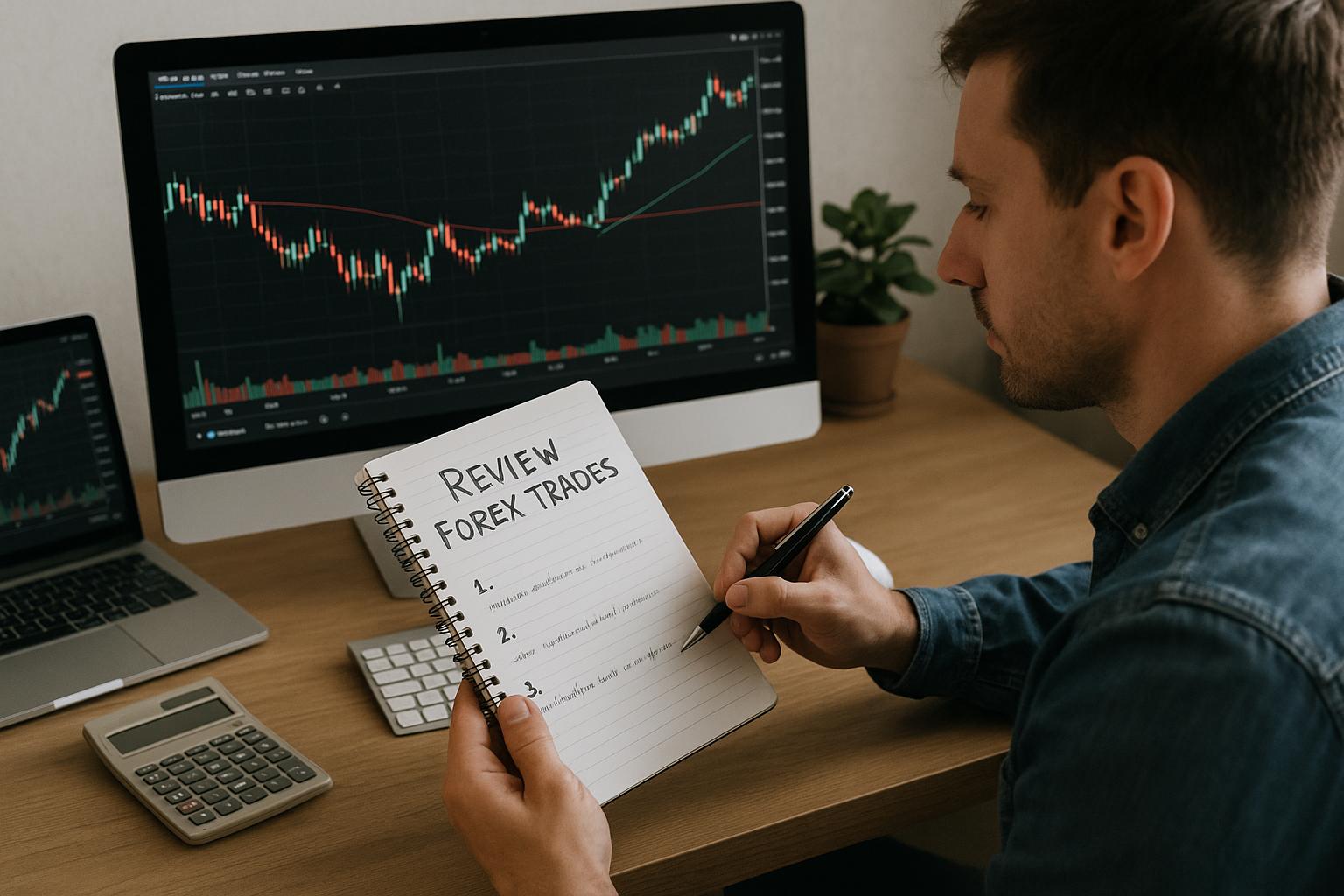
Analyzing Your Forex Trades: The Path to Effective Learning
Trading in the foreign exchange market, commonly known as forex, can be an exhilarating experience due to its dynamic nature and the potential for substantial returns. However, what sets successful traders apart from the rest is their commitment to learning and refining their trading strategies. One essential aspect of this learning process is the rigorous review of past trades. By regularly analyzing your trades, you can develop a deeper understanding of market dynamics and your trading behavior, allowing you to improve your strategies over time. Here, we outline a comprehensive method to effectively analyze your forex trades.
Document Your Trades
The foundation of effective trade analysis lies in the documentation of every trade you execute. Maintaining a trading journal is a proven method that helps traders keep track of their activities and decisions. For each trade, document details such as the date and time, currency pair, entry and exit points, and the trade size. More importantly, note down the rationale behind each trade, including any technical and fundamental analysis that informed your decisions.
While the use of digital tools can add convenience and functionality, a simple spreadsheet can also be quite effective. The key is to ensure that your journal is comprehensive and regularly updated. This practice serves two main purposes: it allows you to revisit and scrutinize previous trades to understand the context better and helps in identifying patterns or mistakes within your trading behavior that might not have been visible at the moment.
Evaluate Each Trade’s Outcome
Understanding whether a trade was profitable or not is just the beginning of trade analysis. A critical evaluation of each trade’s outcome involves dissecting the components that led to its success or failure. Ask yourself the following questions: What specific market conditions influenced the trade? Did any unexpected events change the course of the market? Was there a deviation between your expectations and the actual market behavior?
By deconstructing each trade, you can identify the mistakes made and the strategies that proved effective. This reflection is a learning opportunity that helps in refining your future trading strategies.
Identify Patterns and Trends
With continuous review, certain patterns and trends may become apparent in your trading history. You may realize that trades executed at particular times of the day tend to be more successful or that specific technical indicators are consistently reliable. Identifying these trends is crucial as it empowers you to make data-driven decisions, enhancing your efficacy in future trading endeavors.
Assess Emotional Factors
Trading is not purely a rational exercise; emotions can significantly influence decision-making. Analyzing your trades should include an assessment of how emotions like fear or greed affected your decisions. Were there moments when emotional responses led you to prematurely enter or exit a trade? Understanding these elements is essential for developing strategies to minimize the impact of emotions on your trading performance, allowing for more calculated decision-making.
Conduct Strategy Testing
Another critical component of trade analysis is strategy testing. Reviewing past trades allows you to apply various trading strategies retrospectively to evaluate their potential effectiveness. For each strategy tested, compare the potential outcomes against your actual results. This exercise can reveal which strategies might be more conducive under certain market conditions and point out areas for refinement in your approach.
Utilizing back-testing software can aid this process by simulating historical data to observe how different strategies would perform. While back-testing cannot predict future results with certainty, it can provide useful insights into the viable options for your trading strategy.
Seek Peer Feedback
Trade analysis shouldn’t be an isolated task. Sharing your trading journal with peers, particularly those with more experience, can offer valuable feedback and different perspectives. Join trading communities or participate in forums to engage with other traders. Be open to insights that others may provide or errors they may highlight that you have overlooked. However, it is crucial to weigh their advice against your own judgment and the data available from your analysis.
Continuous Learning and Adaptation
The forex market is highly dynamic, affected by a wide array of economic and political factors. Staying informed about market changes and continuously enhancing your knowledge is vital for success. Regularly read up on market developments, new trading strategies, and advances in technology that could aid your trading.
Consider investing time in formal education as well, such as enrolment in forex courses or attending webinars hosted by experienced traders and educators. This commitment to lifelong learning will ensure you remain adaptable and prepared for new challenges in the forex market.
Conclusion
The process of reviewing and analyzing your forex trades is indispensable for any trader aiming to improve their skills and strategy. By adopting a disciplined approach that includes keeping a detailed trading journal, critically evaluating trade outcomes, and seeking feedback and knowledge, you can enhance your trading success. Constant engagement with this process, while being open to new insights and learning, will gradually transform your trading practices, making you a more informed and effective trader. Embrace this comprehensive approach as a fundamental component of your trading routine to see continued growth and improvement in your trading journey.
This article was last updated on: July 10, 2026